

The hidden cost of a printed page
Printing a single page costs more than the price of the paper. Between the energy used to manufacture toner and the electricity required to keep a machine on standby, the lifecycle of a standard office document is heavy. Most of these costs are hidden in utility bills and waste management fees.
Businesses and households consume a massive amount of paper. According to Think Before Printing, the campaign’s very existence points to the scale of the problem; the simple message 'Please consider the environment before printing' is ubiquitous because paper use remains significant. While precise current figures are hard to pin down, the impact is undeniable. Even small reductions in paper consumption across many organizations can make a substantial difference.
This isn’t about advocating for a completely paperless office, which isn’t realistic for everyone. It’s about making informed choices and adopting practices that minimize our environmental footprint. We can reduce waste, conserve resources, and lessen the impact of printing without sacrificing convenience or productivity. It’s a matter of finding a better balance.
Choosing paper that actually matters
Choosing 'recycled' paper is a good first step, but it’s far from the whole story. There are varying degrees of recycled content, and understanding the difference is important. Post-consumer recycled content comes from paper that has already been used by consumers (like office paper or newspapers), while pre-consumer content comes from manufacturing scrap. Post-consumer is generally considered more sustainable because it diverts waste from landfills.
Look for certifications like the Forest Stewardship Council (FSC) and the Sustainable Forestry Initiative (SFI). These organizations ensure that paper comes from responsibly managed forests. FSC certification is often regarded as the more stringent of the two. Beyond traditional recycled paper, there’s growing interest in alternative materials like bamboo, hemp, and agricultural waste (like wheat straw or sugarcane bagasse).
These alternatives offer potential benefits, but often come with trade-offs. Bamboo and hemp can be fast-growing and require fewer pesticides, but their processing can be energy-intensive. Agricultural waste utilizes byproducts that would otherwise be discarded, but availability can be limited. Paper weight also matters—lighter weight paper requires less material to produce. A 20lb bond paper uses less resources than a 28lb bond, for example.
- FSC (Forest Stewardship Council) certification ensures the wood fiber comes from forests managed for biodiversity rather than just timber yield.
- SFI (Sustainable Forestry Initiative): Promotes sustainable forestry practices and responsible fiber sourcing.
- Post-Consumer Recycled Content: Made from paper that has been used and recycled by consumers.
- Pre-Consumer Recycled Content: Made from paper scraps generated during the manufacturing process.
Comparing Eco-Friendly Paper Options
| Paper Type | Best For | Trade-off | Consider When |
|---|---|---|---|
| 100% Recycled Paper | High-volume internal documents | May have a slightly reduced brightness | Minimizing waste is a primary concern |
| FSC-Certified Paper | Client-facing materials requiring good quality | Sourcing relies on responsible forestry practices, not necessarily post-consumer content | Demonstrating commitment to responsible forestry |
| Bamboo Paper | Marketing materials needing a unique texture | Can be more expensive than traditional options | Seeking a distinctive and rapidly renewable resource |
| Hemp Paper | Documents needing durability and longevity | Availability can be limited in some regions | Prioritizing a strong, long-lasting paper stock |
| Sugarcane Paper | Reports and presentations where a natural look is desired | May not be suitable for all printer types | Looking for a byproduct-based paper option |
| Stone Paper (Mineral Paper) | Waterproof or durable applications | Production process has its own environmental considerations | Needing a water-resistant and tree-free alternative |
| Tree-Free Cotton Paper | Invitations and special occasion prints | Often has a higher cost per sheet | Wanting a soft, luxurious feel and avoiding tree harvesting |
Qualitative comparison based on the article research brief. Confirm current product details in the official docs before making implementation choices.
Toner & Ink: Reducing the Chemical Footprint
Toner and ink cartridges contribute significantly to plastic waste. Thankfully, there are several ways to reduce this impact. Remanufactured cartridges are a popular option, offering a more affordable and environmentally friendly alternative to new cartridges. Refillable systems allow you to reuse the same cartridge multiple times, further reducing waste. Solid ink technology, used by some HP printers, eliminates cartridges altogether, using solid sticks of ink instead.
The quality of remanufactured cartridges can be inconsistent, so it’s important to choose reputable brands like TonerBuzz. They often offer warranties and quality guarantees. I’ve had good experiences with them personally, but it’s always wise to read reviews. Another factor to consider is the type of ink – dye-based versus pigment-based.
The choice between dye and pigment ink is a trade-off. Dye-based inks are generally less toxic during production, but pigment inks last longer on the page, which reduces the need for reprints. The better choice depends on whether you need archival quality or high-volume temporary drafts.
- Remanufactured cartridges are used shells that have been cleaned and refilled, which keeps plastic out of landfills and lowers the price per page.
- Refillable Systems: Allow you to reuse cartridges multiple times.
- Solid Ink Technology: Uses solid sticks of ink instead of traditional cartridges.
Energy efficient hardware for 2026
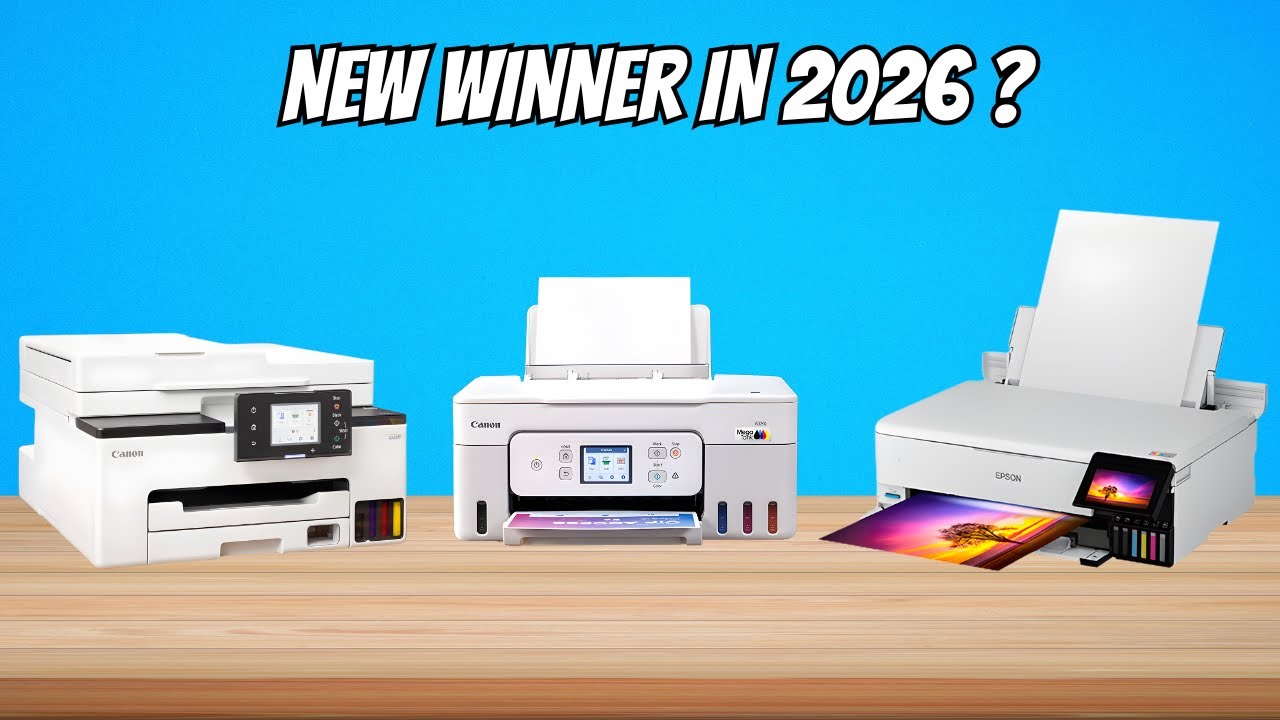
Choosing an energy-efficient printer is a simple way to reduce your environmental impact and save money on electricity bills. Look for models that have earned the Energy Star certification, a government-backed symbol of energy efficiency. These printers are designed to use less energy both when in use and in standby mode. Features like automatic duplex printing (printing on both sides of the paper) are also crucial, as they cut paper consumption in half.
Beyond the basics, consider printers with low-power modes and instant-on technology. Low-power modes reduce energy consumption when the printer is idle, while instant-on technology allows the printer to wake up quickly without using excessive energy. According to ecofriendlyprinter.com, HP’s LaserJet Enterprise series and Brother’s MFC-L2750DW are often highlighted for their energy-saving features.
Energy use is only half the story. Manufacturing a printer is resource-heavy, so the most sustainable move is often keeping your current machine running longer. When you do buy, prioritize durability over the lowest sticker price to avoid the replacement cycle.
Software tweaks to save paper
Making small adjustments to your print settings can have a surprisingly large impact on paper and toner/ink consumption. Defaulting to black and white printing whenever possible is a simple but effective step. Using draft mode reduces the amount of ink used, sacrificing some print quality for sustainability. Printing multiple pages per sheet (e.g., two pages on one sheet) is another easy way to cut paper usage.
Always utilize print preview before printing to ensure that the document is formatted correctly and to avoid wasting paper on unwanted content. Most operating systems (Windows, macOS) allow you to easily adjust these settings in the print dialog box. It’s worth taking a few minutes to familiarize yourself with these options.
Ultimately, reducing the need to print altogether is the most sustainable solution. Embrace digital document management systems, encourage collaboration online, and only print when absolutely necessary. This shift in mindset can significantly reduce your overall environmental impact.
Cutting Costs: Eco-Printing & Your Bottom Line
Eco-friendly printing isn't just good for the environment; it's good for your wallet. Using less paper, toner/ink, and energy translates directly into cost savings. The savings can be significant, especially for businesses that print frequently. Consider a small business that currently prints 5,000 pages per month, using an average of $0.10 per page (including paper, toner, and energy).
By implementing strategies like duplex printing, using draft mode, and switching to recycled paper, they could potentially reduce their printing costs by 40%, saving $2,000 per year. That's a substantial return on investment. Switching to remanufactured toner cartridges can also contribute to these savings. While the exact amount will vary depending on printing volume and toner prices, the potential for cost reduction is clear.
Beyond direct cost savings, some regions offer tax incentives or rebates for businesses that adopt sustainable practices, including eco-friendly printing. It’s worth researching local programs to see if you qualify for any financial benefits.
What is the biggest barrier to adopting eco-friendly printing practices in your workplace?
Vote below and tell us which challenge has the biggest impact on greener printing decisions at your organization.
No comments yet. Be the first to share your thoughts!