
The real cost of a printed page
Most of us only notice the price of a ream of paper or a fresh toner cartridge. We miss the energy used to build the hardware and the water required for paper mills. Every discarded cartridge adds to a landfill. It is a heavy cycle for a single document.
The scale is substantial. Think Before Printing, a campaign by Ink Factory, continually reminds us to consider the environment before hitting 'print,' and while quantifying the impact of these reminders is difficult, the message is clear: every printed page has a cost. Businesses, in particular, have a responsibility to address this. Regulations are also starting to shift, with increased scrutiny on corporate sustainability practices and a growing demand from consumers for environmentally responsible products.
Going green with your printing isn't just about appearing ethical; it's about reducing your environmental impact and, as we’ll see, potentially saving money. This means looking beyond simply buying a new printer. It requires a holistic approach, from the type of paper you use to the way you manage your print workflow. It’s a shift in mindset, but one that’s becoming increasingly necessary.
Choosing better paper
When it comes to sustainable paper, 'recycled' is often the first thing that comes to mind. And it is a good start. However, it's not always the complete answer. The quality of recycled paper can vary, and the recycling process itself requires energy and water. Plus, some recycled papers rely on virgin fibers to maintain strength, diminishing the environmental benefit.
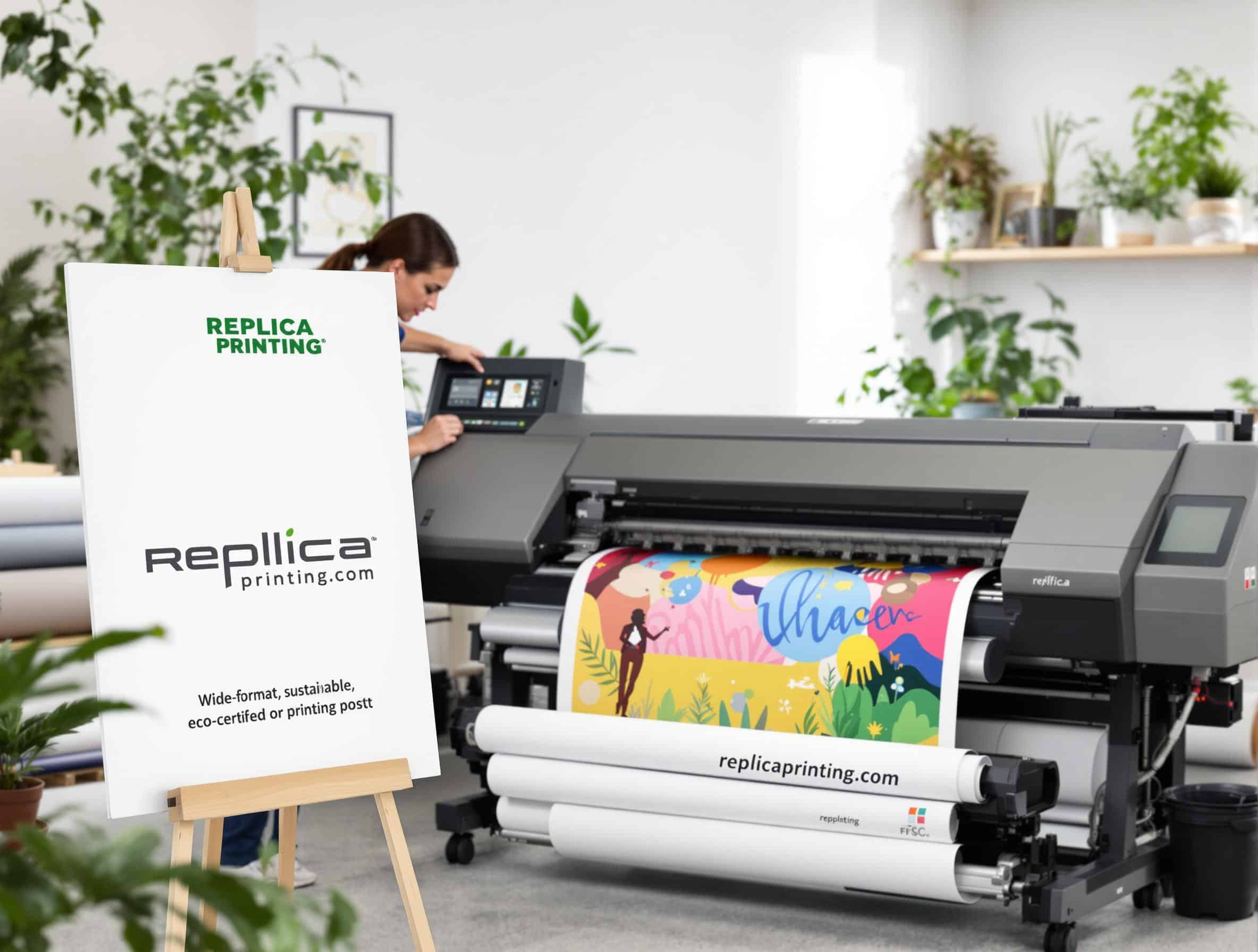
FSC (Forest Stewardship Council) certification is a much more comprehensive indicator of responsible forestry. FSC certification guarantees that the paper comes from forests managed to protect biodiversity, water resources, and the rights of local communities. There are different levels of FSC certification – FSC Mix, FSC Recycled, and FSC Pure – each denoting a different percentage of certified content. FSC Pure, for example, means 100% of the wood comes from FSC-certified forests.
Beyond traditional recycled paper, there’s growing interest in alternative fibers. Bamboo, hemp, and agricultural waste (like straw and bagasse) offer promising sustainable options. Bamboo, for instance, grows rapidly and requires minimal pesticides. However, processing these alternative fibers can present its own set of environmental challenges. Paper weight also matters; choosing a lighter weight paper can significantly reduce consumption. De-inking processes, used to remove ink from recovered paper, are improving, but they still require chemical treatments.
- FSC Mix: Uses wood from certified forests combined with recycled or controlled sources.
- FSC Recycled: Made from 100% recycled wood or pre/post-consumer fiber.
- FSC Pure: 100% of the wood comes from FSC-certified forests.
Energy star and EPEAT ratings
Understanding energy efficiency ratings can be a little confusing. Two prominent certifications are Energy Star and EPEAT. Energy Star, a program of the U.S. Environmental Protection Agency, identifies products that meet strict energy efficiency guidelines. An Energy Star-certified printer uses less energy during operation and in standby mode.
EPEAT (Electronic Product Environmental Assessment) is a more comprehensive system. It rates products based on their entire lifecycle environmental impact – from manufacturing and materials selection to energy use and end-of-life management. EPEAT has three levels: Bronze, Silver, and Gold, with Gold representing the highest level of environmental performance. A printer’s features play a large role in its rating. Sleep modes, duplex (two-sided) printing, and low-power consumption are all factors.
Older printers typically consume significantly more energy than newer models. A typical older laser printer might use 500-700 watts during operation, compared to 30-50 watts for a modern Energy Star-certified model. Duplex printing alone can cut paper consumption – and therefore energy use in paper production – by up to 50%. It's not just about the printer itself but how it's used.
- Energy Star: Focuses primarily on energy efficiency during operation.
- EPEAT: Assesses the entire lifecycle environmental impact of a product.
Printer Features & Environmental Impact - 2026 Considerations
| Feature | Impact on Energy Consumption | Impact on Material Waste | Potential Cost Savings |
|---|---|---|---|
| Duplex Printing (Automatic Two-Sided Printing) | High Impact | High Impact | Medium |
| Sleep Mode | High Impact | Low Impact | Medium to High |
| Toner Save Mode / Eco Mode | Medium Impact | Medium Impact | High |
| Postscript/PCL Support | Low Impact | Low Impact | Low (primarily impacts workflow efficiency) |
| Automatic Paper Type Detection | Low Impact | Medium Impact | Low to Medium (reduces misprints) |
| Energy Star Certification | High Impact | Low Impact | Medium |
| Recycled Paper Compatibility | Low Impact | High Impact | Medium (dependent on recycled paper cost) |
| Direct Printing from Mobile Devices (reducing need for print servers) | Low Impact | Low Impact | Low |
Illustrative comparison based on the article research brief. Verify current pricing, limits, and product details in the official docs before relying on it.
Managing toner and ink waste
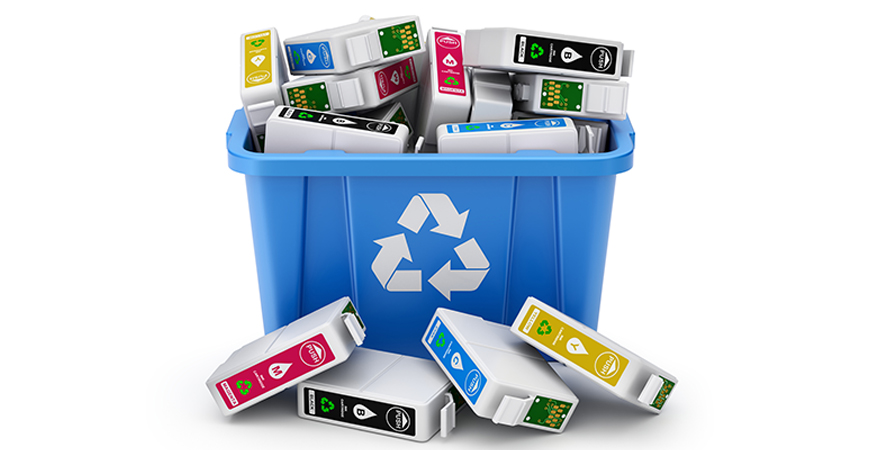
Toner and ink cartridges present a significant environmental challenge. They’re often made from complex plastics and contain potentially harmful chemicals. Disposing of them in landfills can lead to soil and water contamination. Fortunately, there are several ways to mitigate this issue.
Cartridge recycling programs are widely available. Many printer manufacturers – like HP and Brother – offer their own recycling programs, often providing prepaid shipping labels. Third-party recycling companies, such as TonerBuzz, also offer convenient and often more cost-effective options. However, the actual recycling rates for toner cartridges are surprisingly low, and the process can be complex.
Refillable cartridges are gaining popularity. These allow you to reuse the cartridge casing, reducing plastic waste. However, the quality of refilled cartridges can vary, and they may not always perform as reliably as new cartridges. Eco-friendly inks, such as those based on soy or water, are another alternative. These inks typically have lower levels of volatile organic compounds (VOCs) and are less toxic than traditional petroleum-based inks. The debate on the true sustainability of remanufactured cartridges continues, but they represent a step in the right direction.
Top Eco-Friendly Printer Models (2026)
Marketing labels are often misleading. I looked for printers with high EPEAT scores and verified recycling paths. While the right choice depends on your monthly page count, these models are the most efficient I found for 2026.
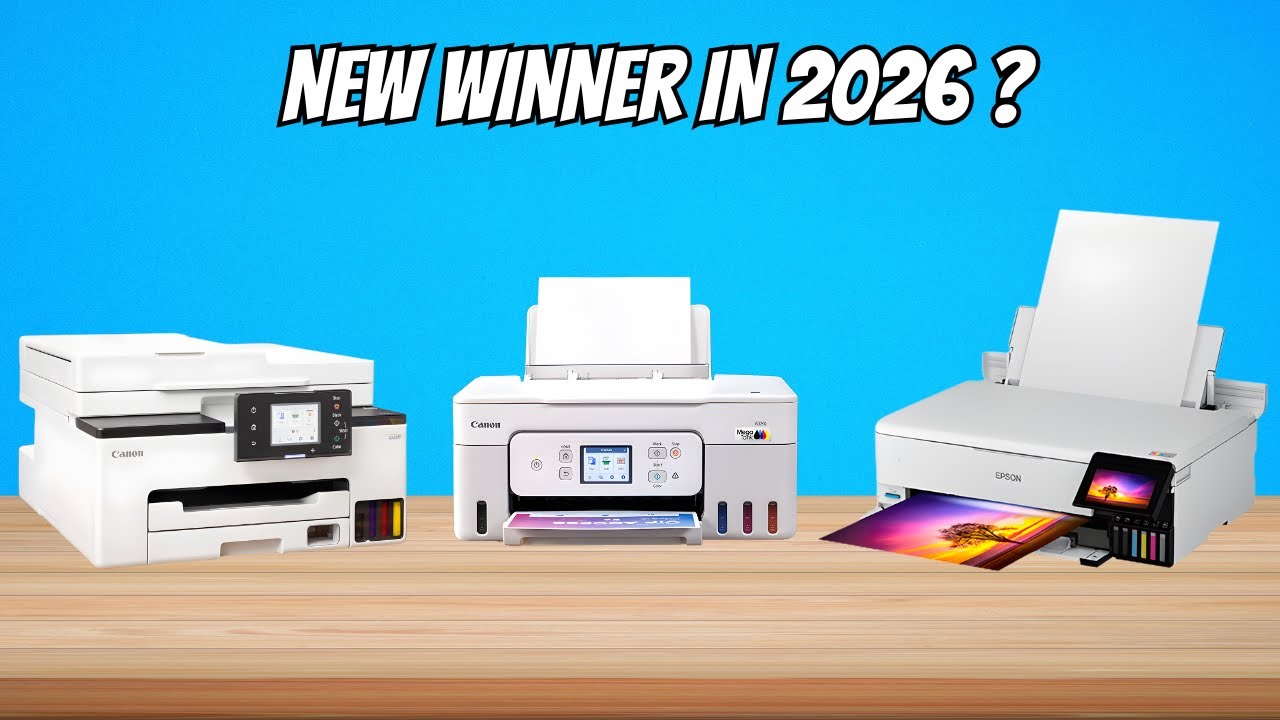
The HP LaserJet Pro M404dw consistently receives high marks for its energy efficiency and EPEAT Silver certification. It also benefits from HP’s comprehensive cartridge recycling program. The Brother HL-L3270CDW is another strong contender, offering a compact design, low energy consumption, and duplex printing capabilities. It's also EPEAT Silver rated. For smaller offices, the Epson EcoTank ET-2800 is an excellent choice. While an inkjet, its refillable tanks drastically reduce cartridge waste.
Looking at business-focused models, the Lexmark CX421de boasts a strong commitment to sustainability with its energy-saving features and EPEAT Gold certification. The Canon imageCLASS LBP623cdw is another solid option. Canon has been making strides in reducing the environmental impact of its products, and this model features low energy consumption and a robust recycling program. Finally, the Ricoh SPC3610SF is a color laser printer with a focus on energy efficiency and resource conservation. It’s EPEAT Silver certified and designed for long-term reliability.
- HP LaserJet Pro M404dw (Energy Star, EPEAT Silver, HP Recycling Program)
- Brother HL-L3270CDW (Energy Star, EPEAT Silver)
- Epson EcoTank ET-2800 (Refillable Tanks)
- Lexmark CX421de (EPEAT Gold)
- Canon imageCLASS LBP623cdw (Energy Star, Canon Recycling Program)
- Ricoh SPC3610SF (EPEAT Silver)
Printing Habits Checklist
- Duplex Printing - Do you use duplex (two-sided) printing by default to cut paper consumption in half?
- Toner Recycling - Do you recycle all used toner and ink cartridges? Many manufacturers, like HP and Brother, offer free recycling programs.
- Sustainable Paper - Are you using paper with a high percentage of post-consumer recycled content? Look for certifications like Forest Stewardship Council (FSC).
- Energy Saving Modes - Have you enabled energy-saving modes on all your printers to reduce power consumption when idle?
- Print Preview Usage - Do employees consistently use print preview to verify content and formatting before printing, minimizing wasted prints?
- Default Print Settings - Are default printer settings optimized for eco-friendliness (e.g., grayscale, draft quality) where appropriate?
- Paperless Workflow - To what extent have you digitized workflows to reduce reliance on printed documents? Consider document management systems.
Print Less: Digital Alternatives & Workflow Changes
The most sustainable printing solution is often to print less. This requires a shift in mindset and a willingness to embrace digital alternatives. Document management systems (DMS) allow you to store, organize, and share documents electronically, reducing the need for paper copies. Cloud storage services like Google Drive and Dropbox offer similar benefits.
E-signatures have become increasingly common, eliminating the need to print, sign, and scan documents. Tools like DocuSign and Adobe Sign streamline the signature process and improve efficiency. Promoting a 'think before you print' culture within your organization is also crucial. Encourage employees to double-check documents before printing, use digital annotations, and only print when absolutely necessary.
Simple changes can make a big difference. Defaulting to double-sided printing, reducing margins, and using smaller font sizes can all reduce paper consumption. Consider using digital agendas and meeting materials instead of printed handouts. It's about finding ways to streamline workflows and minimize unnecessary printing.
Cost Savings & Sustainability: A Happy Match
Eco-friendly printing isn't just good for the environment; it's good for your bottom line. Lower energy consumption translates directly into lower electricity bills. Reduced paper usage means lower paper costs. Efficient toner usage reduces the frequency of cartridge replacements, saving you money on supplies.
The savings can add up quickly. A business that reduces its paper consumption by 20% could save hundreds or even thousands of dollars per year. Switching to energy-efficient printers can lower your electricity costs by 10-20%. Utilizing refillable cartridges or eco-friendly inks can further reduce your supply expenses. The initial investment in sustainable printing solutions often pays for itself over time.
It’s a win-win. By embracing eco-friendly printing practices, you’re reducing your environmental impact and improving your financial performance. It demonstrates a commitment to sustainability, which can enhance your brand reputation and attract environmentally conscious customers.
No comments yet. Be the first to share your thoughts!