
Choose the right eco-friendly printer
Selecting an eco-friendly printer for your small business starts with picking hardware that balances sustainability with daily cost efficiency. A color laser printer is often the best foundation because it uses less energy than inkjet models and produces lower per-page costs over time. This combination allows you to reduce your carbon footprint without sacrificing the speed your business needs.
Look for printers with high energy-efficiency ratings and built-in duplex (double-sided) printing. These features automatically cut paper waste and electricity usage. Prioritize models that support high-yield toner cartridges to minimize the frequency of replacements and the associated plastic waste.
Compare these three affordable color laser options side-by-side to see how they stack up on key green metrics.
| Model | Energy Use | Duplexing | Toner Cost/PP |
|---|---|---|---|
| HP Color LaserJet Pro M283fdw | ENERGY STAR Certified | Automatic | ~1.5¢ |
| Brother HL-L8360CDW | ENERGY STAR Certified | Automatic | ~1.8¢ |
| Canon Color imageCLASS MF656Cdw | ENERGY STAR Certified | Automatic | ~1.6¢ |

Once you have narrowed your choices, verify that the printer’s software supports secure print release and paper-saving defaults. These settings help maintain your green goals even when multiple employees use the device. A well-chosen eco-friendly printer pays for itself through reduced supply costs and lower energy bills.
Switch to sustainable paper and toner
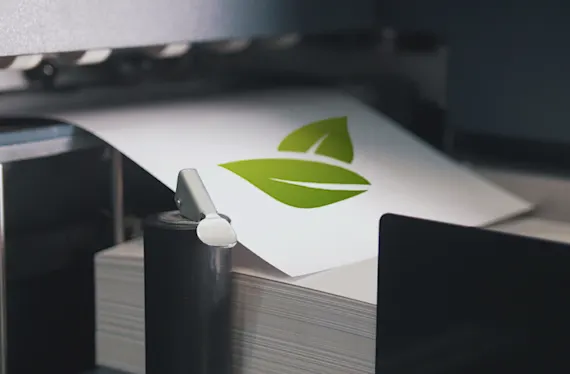
Material choices define the footprint of your print output. Standard glossy paper often relies on virgin pulp and chemical bleaches, while conventional toners can contain petroleum-based plastics and volatile organic compounds. Switching to eco-friendly printing materials reduces this impact without sacrificing professional quality.
Look for paper certified by the Forest Stewardship Council (FSC). This certification ensures the wood pulp comes from responsibly managed forests. You can also choose post-consumer waste (PCW) content. Papers with 30% to 100% PCW divert waste from landfills and require less energy to process than virgin fiber options.
For toner, consider soy or vegetable-based inks. Unlike petroleum-based alternatives, these inks release fewer harmful emissions and make the recycling process easier. Many modern toner cartridges are also refillable or designed for easy recycling, further reducing landfill waste.

These changes often lower long-term costs. Digital printing with eco-friendly materials typically generates less waste than traditional offset methods. By ordering only what you need and using sustainable supplies, you align your operational expenses with your environmental goals.
Configure print settings for less waste
Start Eco-Friendly Printing in Your Small Business works best as a sequence, not a scramble through settings. Do the minimum first: confirm compatibility, connect the core hardware, update only when needed, and test the result before adding optional features. That order keeps the task understandable and makes failures easier to isolate. After each step, pause long enough for the interface to finish syncing. Many setup problems are timing problems disguised as configuration problems. If the same step fails twice, record the exact error, restart the smallest affected piece, and retry before moving deeper.

Implement a paperless workflow policy
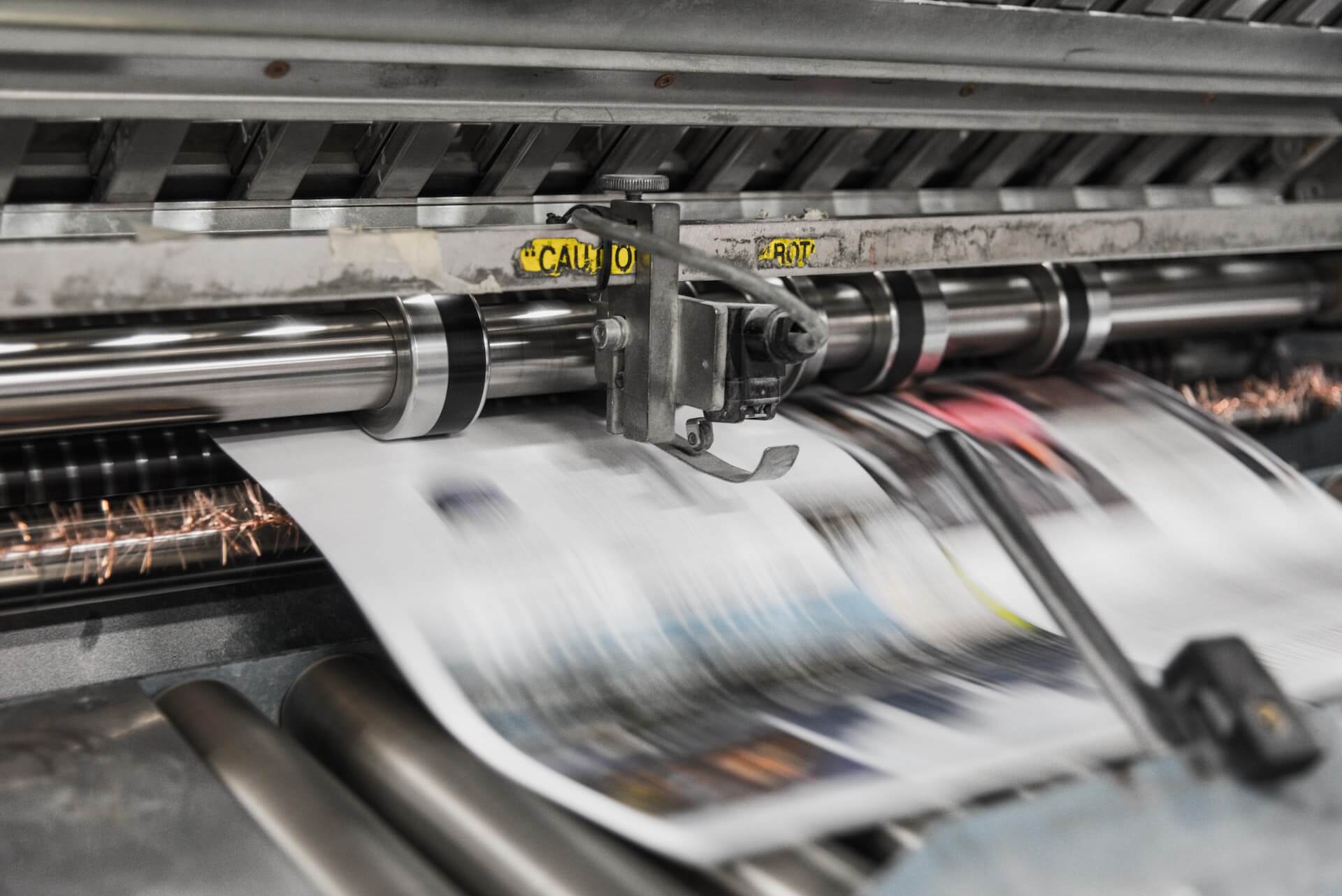
Hardware upgrades only address half the problem. The other half is human habit. A paperless workflow policy shifts the focus from buying eco-friendly printers to reducing the need to print at all. This approach targets the root cause of waste: unnecessary documents, redundant approvals, and poor file management.
Start by auditing your current print volume. Most small businesses waste 30% of their prints on drafts, misdirected emails, or outdated forms. Implementing a "print-on-demand" culture where employees must justify every print job can cut volume significantly. Use default printer settings to force double-sided, black-and-white printing for internal drafts. This simple habit change, often called "secure printing," ensures documents are only released when the employee is physically at the machine, reducing lost or forgotten papers.
Transitioning to digital signatures and cloud storage is the next critical step. Tools like DocuSign or Adobe Sign eliminate the need to print, sign, and scan contracts. Similarly, moving internal records to cloud platforms like Google Workspace or Microsoft 365 reduces physical filing cabinets. When files are searchable and shared via links, the urge to print "just in case" diminishes.
To help your team adopt these habits, provide a quick reference guide. This checklist serves as a daily reminder to pause before hitting the print button.
-
Is this document needed in physical form?
-
Can it be reviewed digitally via a shared link?
-
Is it a draft that can be printed double-sided?
-
Is black-and-white sufficient for this purpose?
Enforce these rules through policy, not just suggestion. Make digital signatures the standard for client-facing documents and internal approvals. Over time, this shift reduces paper costs, storage needs, and your business's environmental footprint.
No comments yet. Be the first to share your thoughts!