
Printing costs in flux: 2024-2026
Small businesses are facing a tough reality: printing costs are rising. Inflation has significantly impacted the price of ink and toner, with some cartridges seeing increases of 15-20% since 2023. This, coupled with the general increase in the cost of printer hardware itself, is forcing many companies to seriously re-evaluate how they approach printing. It's no longer a simple matter of buying a printer and replacing cartridges as needed.
Predictable printing costs are gone. Instead of just reacting to price hikes, many businesses are moving toward subscription models to stabilize their monthly spend. It works for some, but the math doesn't always favor high-volume users.
Microsoft’s Universal Print is also gaining traction, particularly for organizations already invested in the Microsoft ecosystem. It’s not a traditional subscription in the same vein as HP Instant Ink, but it offers a fundamentally different approach to printer management and could provide significant cost savings through centralized control and reduced infrastructure. It’s a service worth considering, especially as it matures and gains wider adoption.
The real cost of traditional printing
Let's break down the true cost of traditional printing. The initial investment in a printer is just the beginning. A decent color laser printer for small business use can easily run between $200 and $600, depending on features and print speed. Then there’s the ongoing cost of consumables – ink or toner, paper, and maintenance.
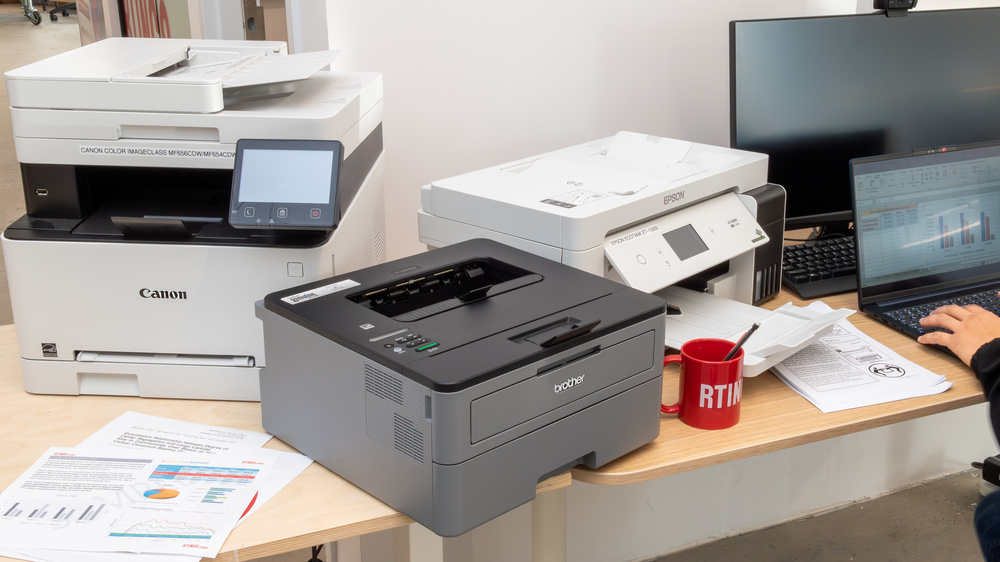
Ink and toner costs can be surprisingly high. Consider the HP LaserJet Pro M15w, a popular small office printer. Standard-yield black toner cartridges (around 1,700 pages) cost around $70, equating to roughly 4 cents per page. The high-yield cartridge (3,000 pages) is about $110, bringing the cost down to 3.7 cents per page. For a Canon imageCLASS LBP162dw, a comparable model, black toner cartridges average around $80 for 1,500 pages, or about 5.3 cents per page. Brother printers, like the HL-L2390DW, often offer more affordable toner options initially, but the cost per page can vary significantly based on cartridge choice.
Beyond consumables, there are hidden costs that often get overlooked. Wasted prints due to errors or trial runs add up. Employee time spent monitoring supply levels, ordering cartridges, and troubleshooting printer issues represents a significant, often unquantified, expense. And let's not forget potential repair costs – a printer repair can easily set you back $100-$300, and a replacement printer might be necessary after a few years. I've seen businesses lose significant workdays because of printer downtime, which is a cost that’s hard to put on a spreadsheet.
Finally, consider IT support. If you don't have in-house IT expertise, you might need to pay a professional to resolve printer connectivity issues or software glitches. These costs, while infrequent, can be substantial when they occur. It’s a lot to manage, and for many small businesses, it’s a distraction from their core operations.
Print Subscription Services: How They Work
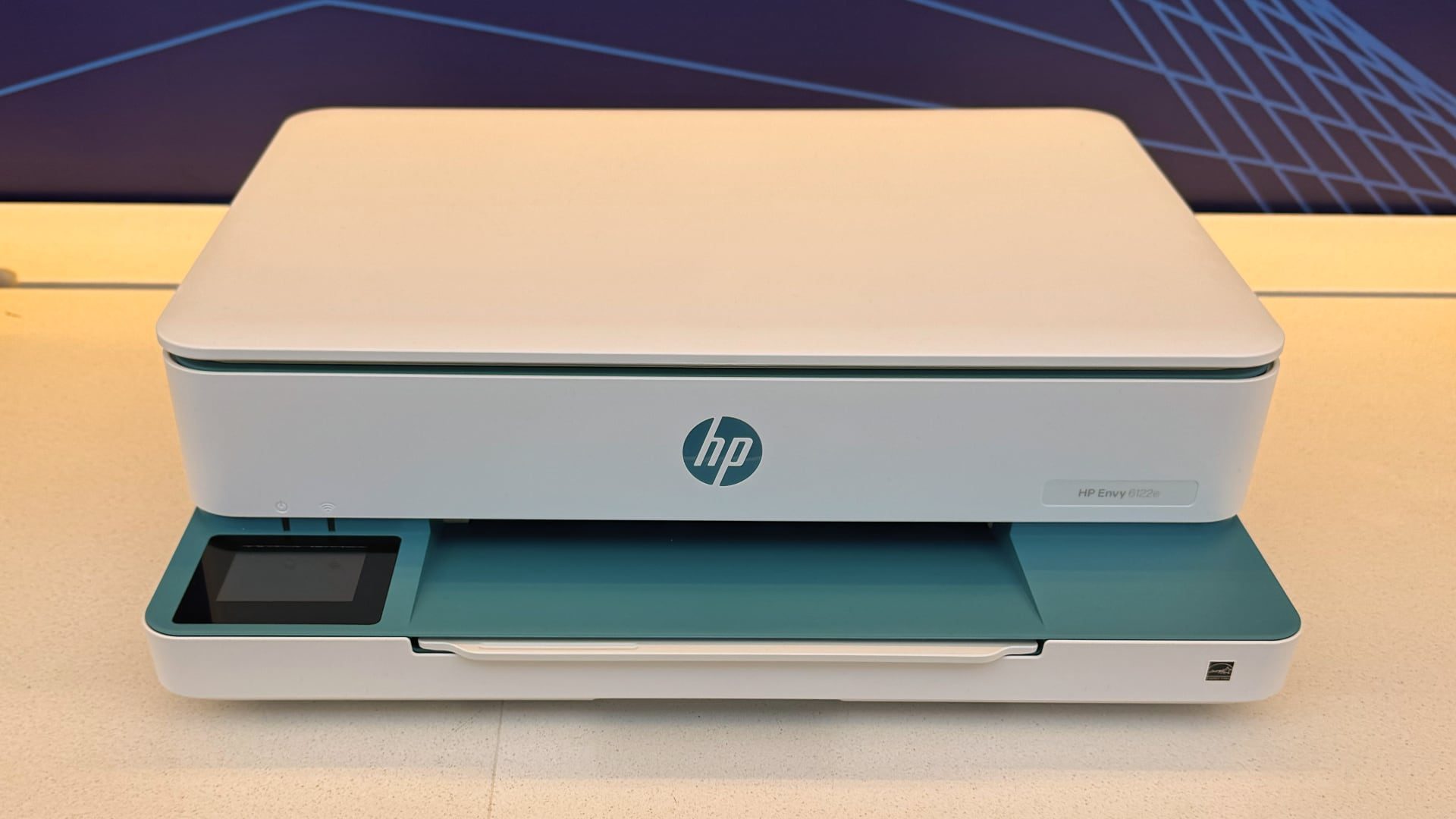
Print subscription services, also known as ink subscription plans, offer a different approach to printer ownership. Instead of buying cartridges outright, you pay a monthly fee based on the number of pages you print. The most well-known service is HP Instant Ink, compatible with many HP printers. Brother Refresh is a similar offering for Brother printers.
HP Instant Ink offers several plans, ranging from a basic plan for infrequent printing (10 pages/month) to a high-volume plan (300 pages/month). Unused pages roll over, providing flexibility. Brother Refresh also offers tiered plans based on page volume. Both services automatically ship ink or toner when you're running low, eliminating the need for manual ordering.
HP Instant Ink saves money if you print often, though you're locked into their genuine cartridges. Brother Refresh is the main alternative, with pricing that fluctuates based on the model. Universal Print is different—it uses per-user licensing to cut down on server infrastructure. The right choice depends entirely on whether you value hardware flexibility or a flat monthly bill.
Cost comparison: three scenarios
Let’s look at some real-world examples to illustrate the cost differences. We’ll consider three scenarios: a low-volume office printing 100 pages per month, a medium-volume office printing 500 pages per month, and a high-volume office printing 1,000 pages per month.
Low-Volume Office (100 pages/month): Using the HP LaserJet Pro M15w and traditional toner purchases, the annual cost would be approximately $480 (based on standard-yield cartridges). With HP Instant Ink’s 100-page plan ($9.99/month), the annual cost is $119.88 – a significant savings. However, if the office occasionally exceeds 100 pages, the cost could increase.
Medium-Volume Office (500 pages/month): With traditional toner for the Canon imageCLASS LBP162dw, the annual cost would be around $260. The HP Instant Ink 500-page plan costs $29.99/month, totaling $359.88 annually. Brother Refresh’s equivalent plan might fall somewhere in between, but pricing can fluctuate. This scenario shows a more moderate cost difference.
High-Volume Office (1,000 pages/month): Traditional toner for a Brother HL-L6400DW could cost around $600 annually. HP Instant Ink’s 1,000-page plan (if compatible with a different printer model used by the office) would be significantly more expensive. However, using a managed print service like HP Managed Print Services could offer better rates for high-volume printing, potentially reducing costs through bulk purchasing and optimized printer usage.
It’s important to remember that these are estimates. Actual printing costs will vary depending on factors like print content (text vs. graphics), print density, and cartridge usage. Print habits are incredibly variable, and a detailed analysis of your own printing patterns is crucial before making a decision.
Traditional Printing vs. Print Subscription Services: A Comparison (2026 Outlook)
| Factor | Traditional Printing | Print Subscription Service |
|---|---|---|
| Upfront Cost | High | Low - Typically no printer purchase required |
| Monthly Cost | Variable - Dependent on print volume | Predictable - Fixed monthly fee |
| Maintenance | High - Requires user management of supplies and repairs | Low - Included in subscription, provider handles maintenance |
| Convenience | Medium - Requires proactive supply ordering | High - Automatic supply replenishment |
| Environmental Impact | Potentially Higher - Dependent on responsible disposal and recycling practices | Potentially Lower - Some services offer recycling programs and optimized supply usage |
| Scalability | Medium - Requires purchasing additional equipment as needs grow | High - Easily adjust plan based on printing demands |
| Control | High - Full control over printer selection, supplies, and settings | Medium - Limited to provider's offerings and settings |
| Long-Term Cost | Potentially Lower - If print volume is consistently low | Potentially Higher - If print volume is consistently high |
Qualitative comparison based on the article research brief. Confirm current product details in the official docs before making implementation choices.
Beyond Cost: Convenience and Management
The benefits of print subscription services extend beyond just cost savings. The convenience of automatic ink or toner delivery is a major draw. No more last-minute trips to the office supply store when you’re in the middle of a critical project. This is a real time-saver for busy small business owners.
Reduced administrative burden is another significant advantage. Subscription services handle the ordering and delivery of supplies, freeing up valuable employee time. Many services also offer cloud printing capabilities, allowing employees to print from anywhere with an internet connection. This can improve productivity and collaboration.
Some services, like HP Instant Ink, include cartridge recycling programs, contributing to a more sustainable printing practice. This is becoming increasingly important as businesses prioritize environmental responsibility. While the cost savings are often the primary motivator, the added convenience and sustainability benefits are definitely worth considering.
Top Printers for Subscription Services
Choosing the right printer is crucial for maximizing the benefits of a print subscription service. Here are five printers that work well with popular services:
HP LaserJet Pro M15w: A compact and affordable laser printer ideal for small offices with low to moderate printing needs. It's fully compatible with HP Instant Ink.
HP OfficeJet Pro 9015e: A versatile all-in-one printer with excellent print quality and fast speeds. It’s a great option for businesses that need to print, scan, and copy frequently. Also compatible with HP Instant Ink.
Canon imageCLASS LBP162dw: A reliable and efficient black-and-white laser printer. While not directly compatible with HP Instant Ink, it offers good value for traditional printing.
Brother HL-L2390DW: A monochrome laser printer known for its affordability and energy efficiency. It works seamlessly with Brother Refresh.
Brother MFC-L2750DW: An all-in-one laser printer with print, scan, copy, and fax capabilities. It’s a solid choice for businesses that need a multi-functional device and want to use Brother Refresh.
Featured Products

Wireless printing and scanning · All-in-one functionality (print, copy, scan, fax) · Includes 6 months of HP+ Instant Ink subscription
This printer is recommended for its integrated ink subscription service, offering predictable printing costs and convenience.

Wireless connectivity · All-in-one capabilities (print, copy, scan, fax) · Includes a trial for the Brother Refresh Subscription
The Brother INKvestment 4355 is a good option for subscription users, as it comes with a trial of Brother's ink service, allowing for cost evaluation.

Compact all-in-one design for home offices · Features print, copy, scan, and fax functions · Supports AirPrint and Android printing
This versatile Canon printer is suitable for subscription services due to its affordability and comprehensive features for everyday home office needs.

Cartridge-free printing with high-yield ink tanks · Wireless and Ethernet connectivity · All-in-one functionality including fax and ADF
The Epson EcoTank ET-4800 is recommended for its long-term cost savings through its ink tank system, which complements subscription models by reducing per-page ink expenses.

Cartridge-free ink tank system · Includes two years of ink upfront · Wireless printing, scanning, and copying
This HP Smart Tank printer offers significant value with two years of included ink, making it a cost-effective choice that aligns well with print subscription benefits.
As an Amazon Associate I earn from qualifying purchases. Prices may vary.
No comments yet. Be the first to share your thoughts!