
Ink-Saving Secrets: Your Wallet and Planet Will Thank You🌍💸
Ever wondered why your printer seems to guzzle ink like a parched desert traveler? Or why your wallet is always whimpering every time you need a new cartridge? Well, it's time to put those worries to rest! Welcome to our comprehensive guide on ink-saving printer settings and techniques. Whether you're using a laser or an inkjet printer, we've got you covered.
Imagine a world where your printer doesn't drain your pocket, or the planet's resources. Sounds like a dream, right? But it's not as far off as you might think. With a few tweaks and tricks, you can transform your printing habits into a model of efficiency and sustainability. By learning how to make your Canon or HP printer use less ink, not only will your bank account thank you, but so will Mother Earth.
So, are you ready to dive into the world of affordable color laser printers, wireless printer setup guides, and the best printers for ink efficiency? Are you prepared to become a master of ink-saving printer tips and eco-friendly printing techniques? Let's embark on this journey together, one ink droplet at a time.

Decoding Your Printer Settings: The Key to Ink Efficiency🔑🖨️
Let's dive into the world of printer settings, a realm often overlooked but brimming with opportunities to save ink. Have you ever wondered what those complicated settings mean? Fear not, we're here to demystify them for you.
Firstly, consider the print quality settings. High-quality prints are fantastic, but do you need them for every document? Probably not. Opting for a lower quality setting, especially for drafts or internal documents, can significantly reduce ink usage. You can learn more about this in our ink-saving printer tips.
Next, let's talk about duplex printing. This setting allows you to print on both sides of the paper, effectively halving your paper usage and indirectly saving ink. Interested in learning how to set this up? Check out our wireless printer setup guide.
Lastly, consider color settings. If color isn't necessary for your document, printing in grayscale can save your colored ink. For more about this, see our article on monochrome laser printers.
By understanding and adjusting these settings, you'll be on your way to becoming an ink-saving expert. But remember, the best printers for ink efficiency are those maintained well. So, don't forget to check our tips on printer maintenance too.
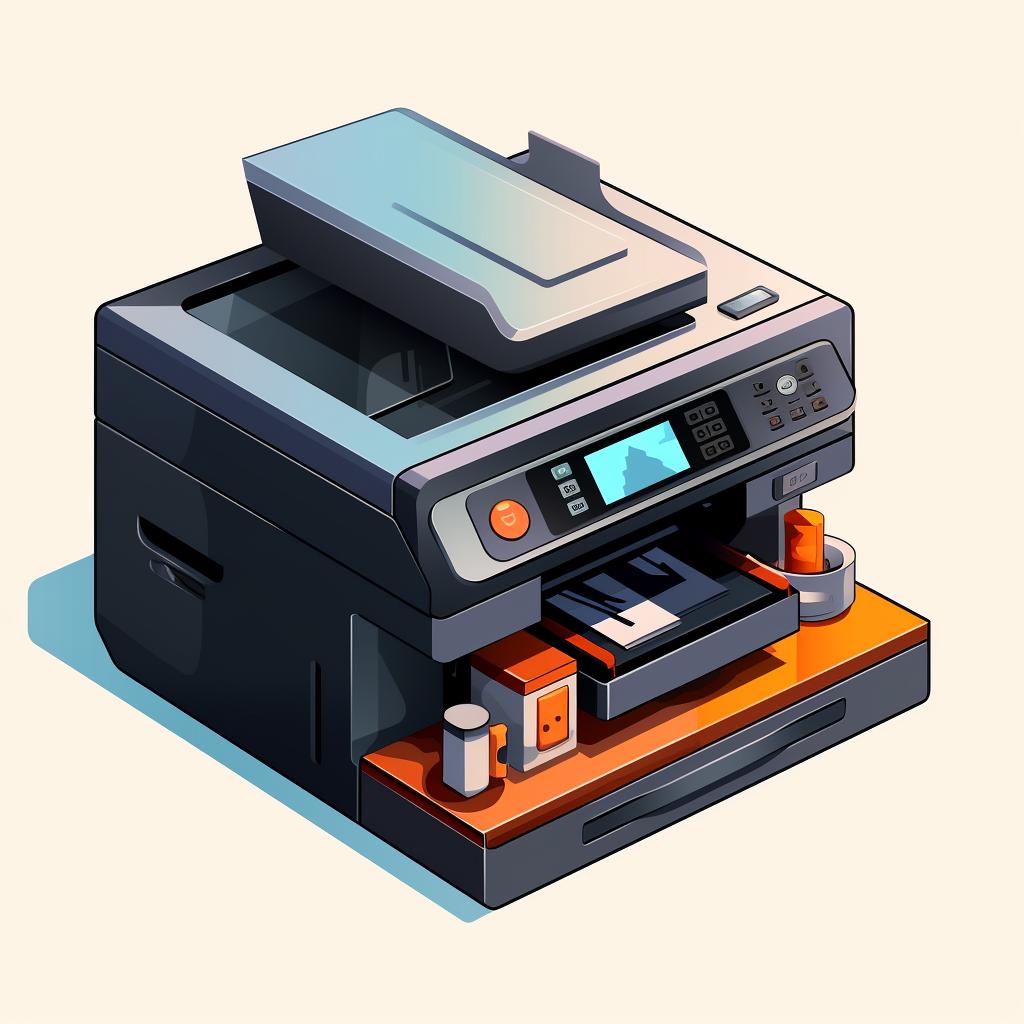
Now that we've discussed the importance of different printer settings, let's dive into a step-by-step guide on how to adjust these settings for optimal ink usage.
Mastering Your Printer Settings for Optimal Ink Usage



Learn more about 🖨️ Mastering Your Printer Settings for Optimal Ink Usage or discover other Print Rec guides.
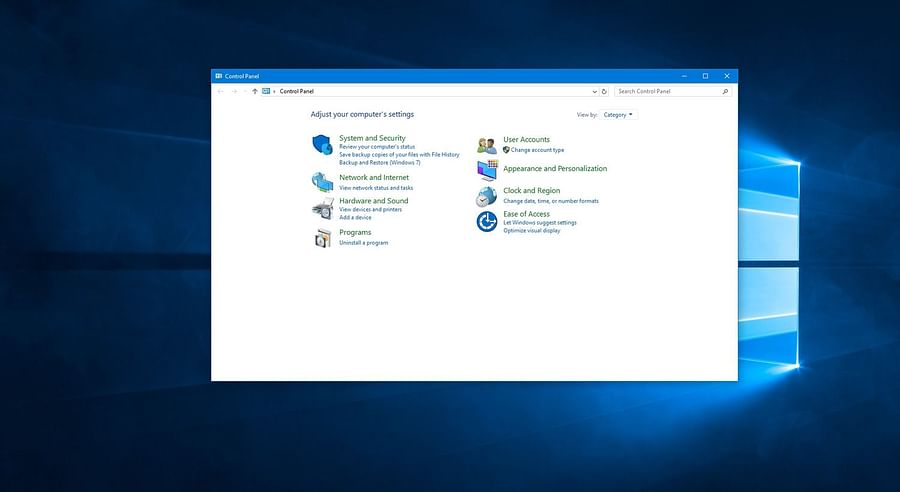
By following these steps, you can significantly reduce your printer's ink usage. Now, let's take a look at an image of a typical printer settings panel.
Ink-Saving Techniques: Less Ink, More Print📄💡
The Art of Draft Printing: Save Ink Like a Pro🎨
Ever wondered how to make your printer use less ink without compromising on the quality of your prints? Enter the realm of Draft Printing, an eco-friendly printing technique that's as simple as it is effective. This setting, usually tucked away in your printer's preferences pane, allows you to print documents in a lighter, less ink-intensive mode. It's perfect for those rough drafts or less critical documents where top-notch quality isn't a must.
Imagine this: you're working on a project that requires multiple drafts before the final version. By using Draft Printing, you're not just reducing ink usage, but also saving money on expensive cartridges. It's like having an affordable color laser printer right at your fingertips. This is one of the most sustainable printing techniques that's easy to implement and can make a significant difference in your ink consumption.
So, how do you make your Canon printer use less ink through Draft Printing? Follow our step-by-step guide here to navigate your printer settings and make the most of this ink-saving printer tip. And if you're still on the hunt for the best printers for ink efficiency, check out our recommendations here. Happy printing!
Grayscale Printing: A Greyscale Solution to Colorful Ink Costs🌈➡️⚪⚫
Imagine you're about to print a colorful report, but you're haunted by the ghost of costly ink cartridges past. How can you save on printing costs and still get the job done? Enter Grayscale Printing, the unsung hero of ink conservation. By turning your colorful documents into a spectrum of black and white, grayscale printing allows you to use less ink, particularly the more expensive colored variety, without compromising on readability.
But how does this magical technique work? It's simpler than you think. When you select the grayscale option in your printer settings for less ink, your printer will combine black and white dots to create different shades of gray, giving the illusion of color. This way, you can print your documents using just black ink, saving your colored ink for when you really need it.
So, next time you're printing an internal document, ask yourself: does it need to be in color? If not, grayscale might just be your new best friend. It's a simple, effective way to make your printer use less ink, reduce your printing costs, and contribute to a more eco-friendly printing technique. How's that for a win-win-win?
Choose Your Font Wisely: The Text That Costs Less🔤💰
Did you know that your chosen font can be a secret ink guzzler? Indeed, the right typeface can be your clandestine ally in the quest to reduce ink usage and save on printing costs. Some fonts, like Arial, consume more ink than others, such as Times New Roman or Century Gothic. But why?
It's all in the design. Fonts with thicker strokes or larger x-heights (the height of lowercase letters) naturally require more ink to print. For instance, the sleek and slim Garamond can use up to 30% less ink than the fuller-bodied Arial. Fascinating, isn’t it?
So, the next time you're about to hit 'print', pause for a moment. Consider switching to a more ink-efficient font. It’s a small step, but remember, every drop of ink saved contributes to a more sustainable printing technique. Want to learn more about how to make your printer use less ink? Or perhaps you're interested in affordable color laser printers that are designed for ink efficiency? Either way, we’ve got you covered.
Ink Usage Comparison by Different Fonts
Green Printing: Eco-Friendly Techniques for Sustainable Prints🌿🖨️
Imagine this: You're about to print a crucial document, your wireless printer hums to life, and suddenly, the dreaded 'low ink' warning flashes. Sound familiar? It's a scenario we'd all like to avoid. But what if I told you that there are ways to make your printer use less ink, save money, and do your part for the environment? Intriguing, right?
Well, there are indeed eco-friendly printing techniques that help you achieve just that. For starters, consider choosing a printer known for its ink efficiency. You might also want to look into affordable color laser printers that are well-regarded for their frugal use of toner. But it doesn't stop there. You can also adjust your printer settings for less ink usage. This is something we'll delve into in the next section.
So, are you ready to reduce ink usage, save some green, and go green at the same time? Let's get started with some ink-saving printer tips that'll make your HP printer, Epson, or any other brand, a lean, mean, eco-friendly printing machine.
Top Eco-Friendly Printers and Their Features
- HP OfficeJet Pro 9015: This all-in-one printer offers automatic two-sided printing, reducing paper usage. It also uses high-yield ink cartridges that last longer, reducing waste.
- Epson EcoTank ET-4760: Known for its cartridge-free printing, this model uses easy-to-fill, supersized ink tanks, reducing plastic waste and offering incredible ink savings.
- Brother HL-L2300D: A compact, efficient laser printer with duplex printing feature, saving both paper and energy.
- Canon PIXMA TR4520: This model offers an auto power on/off feature, saving energy when not in use. It also supports high-yield ink cartridges for less frequent replacements.
- Samsung ProXpress M3820DW: An eco-friendly laser printer with an ECO button that allows you to use less toner, thus saving on ink.
Printer TLC: Maintenance Tips for Ink Conservation🔧💧
Let's dive into the world of printer maintenance, a crucial yet often overlooked aspect of ink conservation. Ever wondered, 'how to make my Canon printer use less ink'? Well, regular maintenance is a key part of the answer. It's like keeping your car in top shape; it runs better, lasts longer, and uses less fuel. Similarly, a well-maintained printer can help you save on printing costs by reducing ink usage.
One effective maintenance tip is to clean your printer heads regularly. Clogged printer heads can lead to wastage of ink and poor print quality. Another tip is to turn off your printer properly. This helps to prevent the ink from drying out. For a more detailed guide on printer maintenance, check out our article on extending the life of your printer.
Also, consider investing in an affordable color laser printer for better ink efficiency. With these tips, you're well on your way to sustainable printing and significant savings.
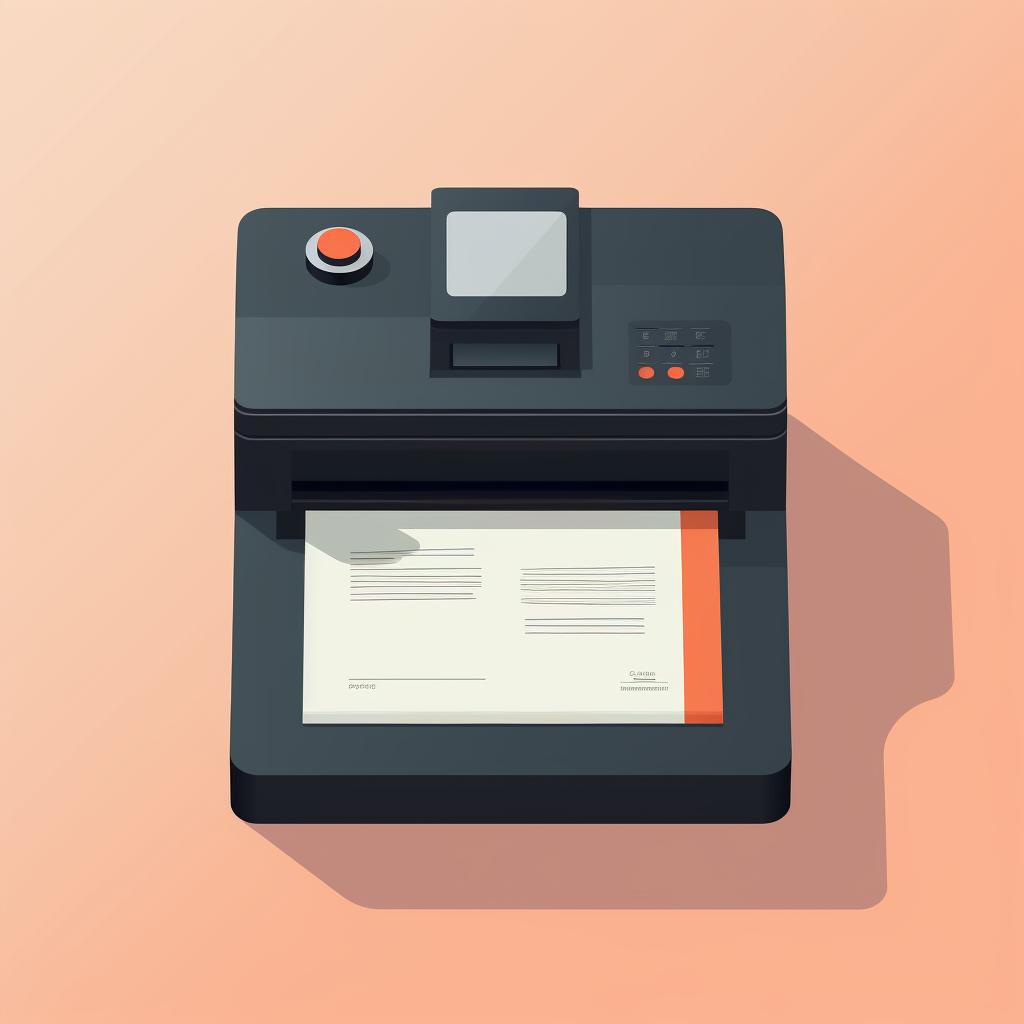
Now that we've discussed the importance of regular printer maintenance, let's walk through the basic steps you can take to keep your printer in top shape and conserve ink.
Basic Printer Maintenance for Optimal Ink Usage

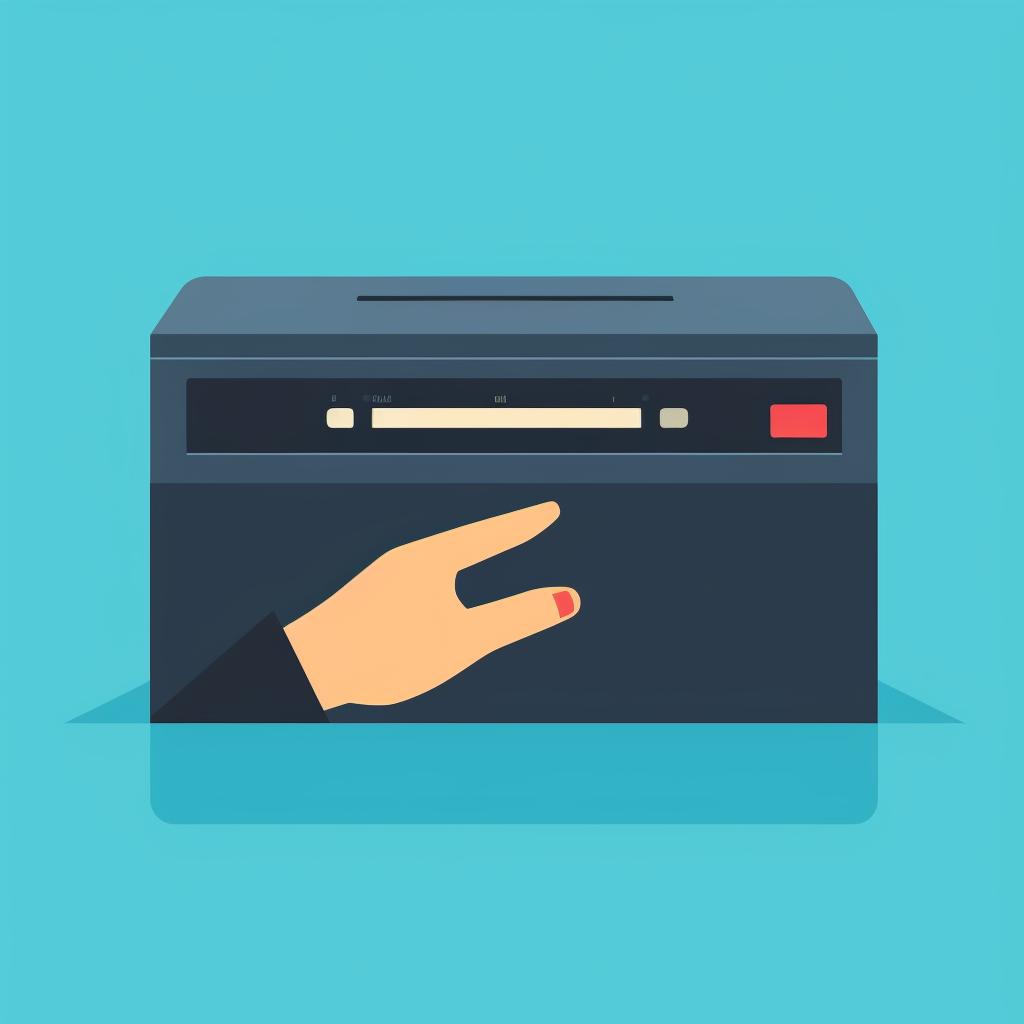
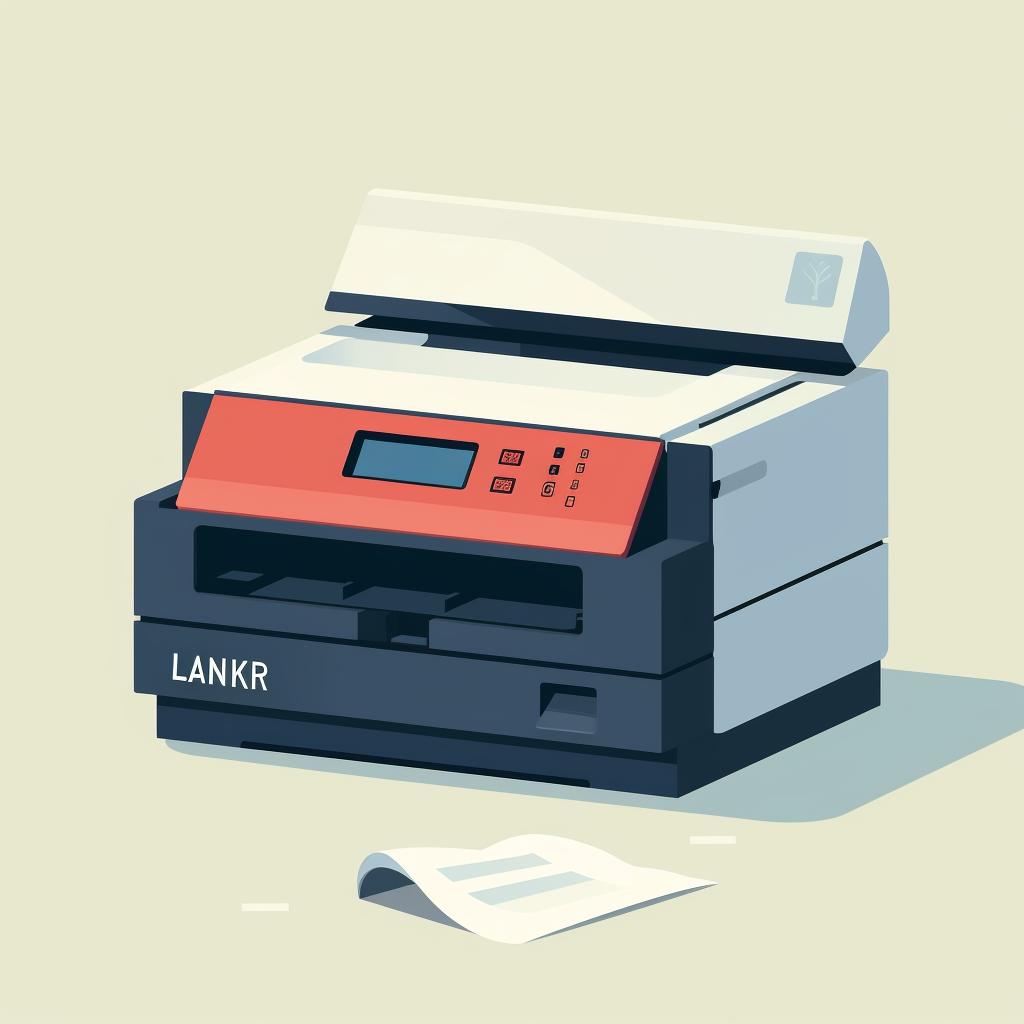
Learn more about 🖨️ Basic Printer Maintenance for Optimal Ink Usage or discover other Print Rec guides.
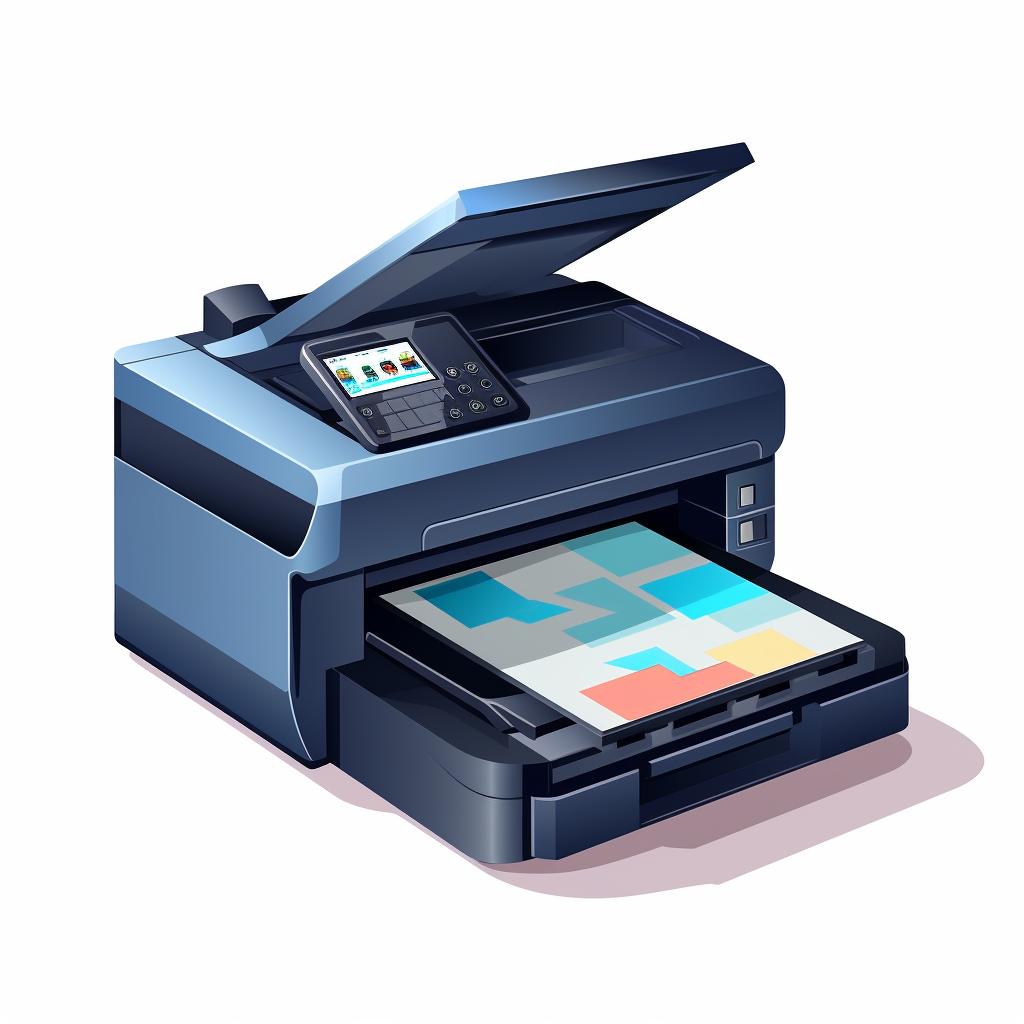
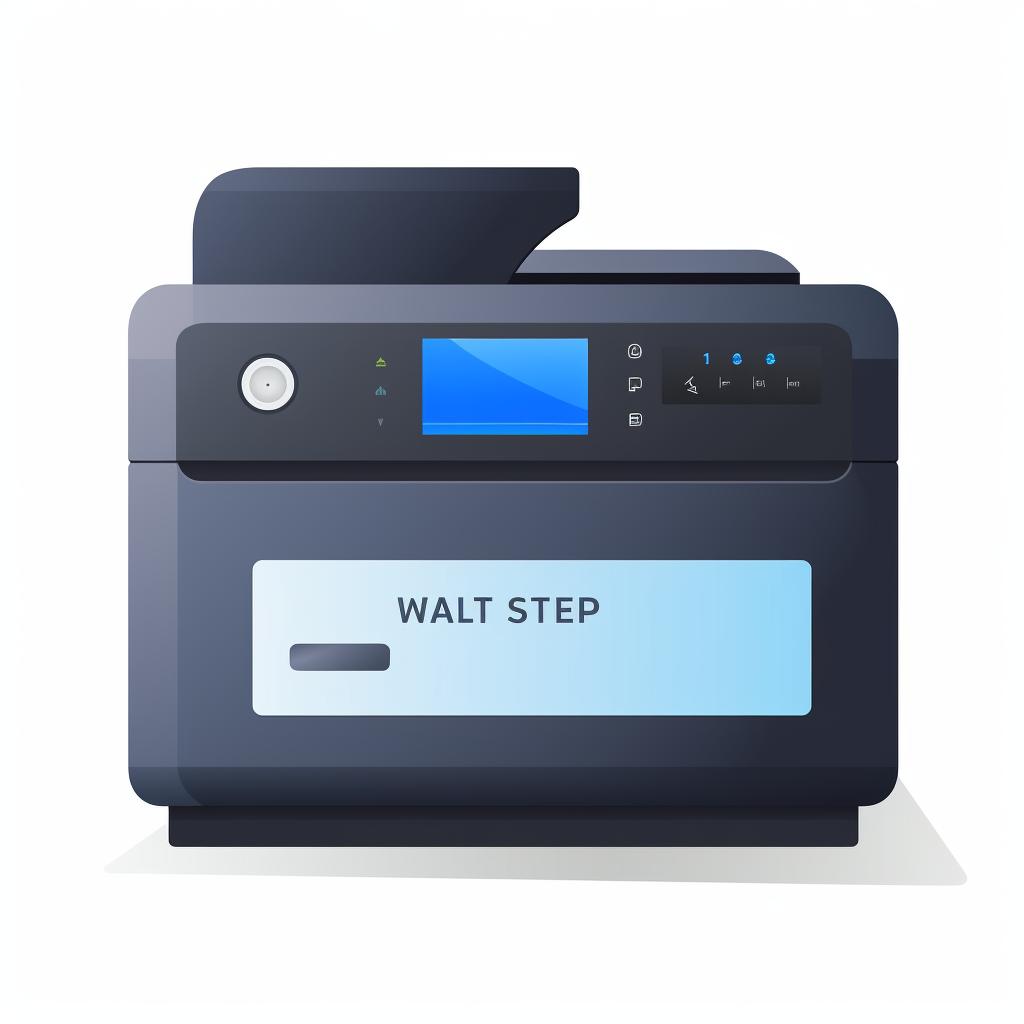
By following these simple maintenance steps, you can ensure your printer operates efficiently and conserves ink. Now, let's wrap up with a summary of what we've learned about ink-saving techniques and eco-friendly printing options.
Ink-Saving Recap: Are You Ready to Print Smarter?🎓🖨️
Now that we've navigated the ink-saving terrain, let's ponder the question: Doesn't it feel empowering to wield such control over your printer? To make it bow to your eco-friendly, cost-effective whims? With these sustainable printing techniques, you're not only making your wallet happier but also giving a respectful nod to our planet. Maintaining your printer will further ensure it doesn't gobble ink like a starving artist.
And remember, my friends, it's not the printer that makes the difference, but how you use it. Whether you're wrestling with how to make your Canon printer or your HP printer use less ink, the answer lies within your reach - in the printer settings, in the choice of fonts, in the draft and grayscale printing.
So, as we close this chapter, let's keep the book open for more discoveries. The world of efficient, sustainable printing awaits. Your next masterpiece could be just a wireless printer setup away. And who knows, maybe the best printers for ink efficiency are yet to be discovered. Ready to ink the future?
Ink-Saving Techniques and Printer Maintenance Quiz
Test your understanding of the techniques and strategies discussed in the article to save printer ink and maintain your printer for optimal usage.
Learn more about 🖨️ Ink-Saving Techniques and Printer Maintenance Quiz or discover other Print Rec quizzes.
Now that you've tested your knowledge with our quiz, let's address some common questions you might have about ink-saving techniques and printer maintenance.
We hope these answers have given you a better understanding of how to save ink and maintain your printer. Remember, every little bit helps when it comes to being eco-friendly and cost-effective!
No comments yet. Be the first to share your thoughts!